Lunar New Year

“To this day I wake up at times, look in the mirror and just stare, obsessed with the idea that the person I am in my head is something entirely different than what everyone sees. That the way I look will prevent me from doing the things I want…I touch my face, I feel my skin, I check my color everyday, and I swear it all feels right. But then someone says something and that sense of security and identity is gone before I know it.”
-Eddie Huang, Fresh Off The Boat
I can not remember the exact moment when things began to feel out of place. This feeling of being caught up between separate worlds, yet neither of which I could fully call home. I can recall many moments in my life where I have felt the need to hide the parts that make up my cultural identity, simply to conform to another. It was only until I learned to embrace my culture, I realized it was something to be proud of instead of hidden. In Eddie Huang’s memoir, Fresh Off The Boat, Huang grapples with finding an identity that he can call his own and provides a unique lens on the theme of cultural identity through the motif of Black American culture.
A Compound Of Cultures
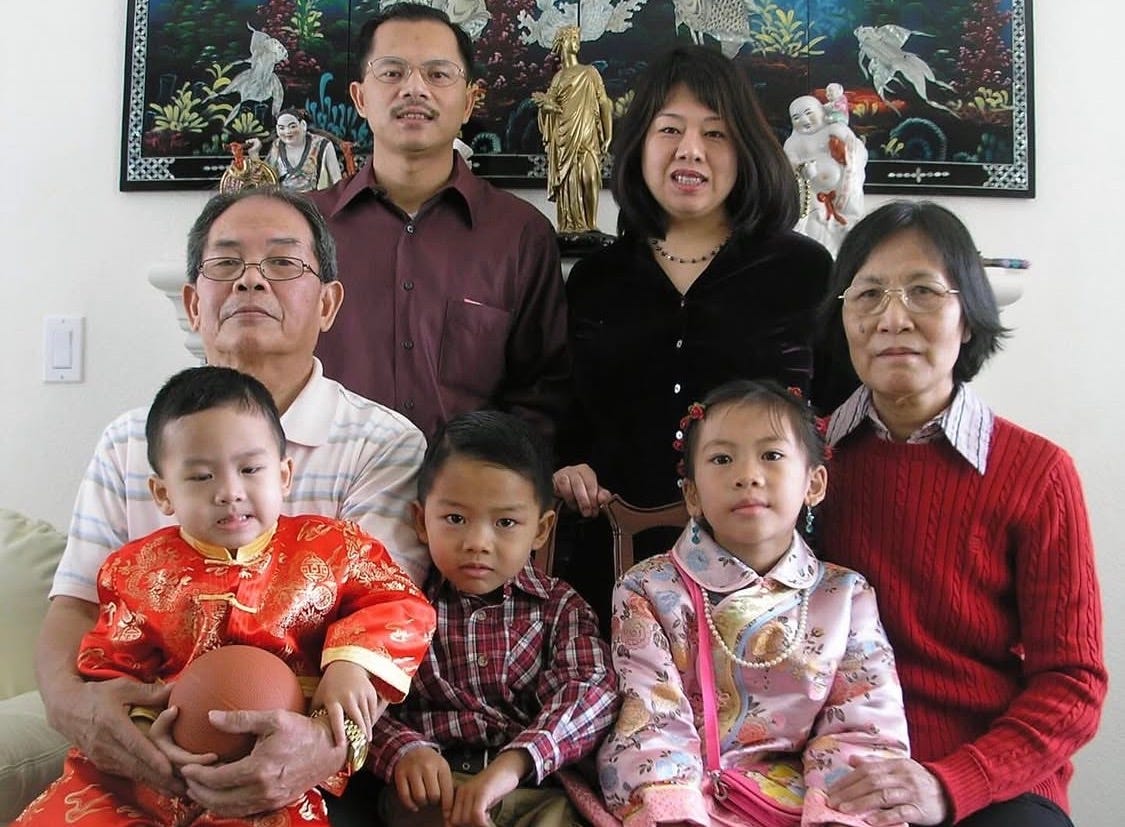
Being born in America to immigrant parents from two distinct countries, meant my cultural identity was never easily defined. I grew up in a Chinese household, attended a Vietnamese Buddhist temple, and I was educated by an American school system. As I grew older my Vietnamese language disappeared. Even though I still speak Chinese with my grandparents I find myself forgetting words. For the longest time I struggled to find who I was in the seemingly endless nuance. I desperately searched for something that bridged the gaps between my cultural identities and killed any doubt of who I was.
Hip-Hop’s Impact On Eddie
Throughout the book, Huang develops this theme of cultural identity through his connection to Black American Culture. Huang has felt like an outsider his whole life. Chinese people doubted his authenticity for being born in America and Americans doubted his Americanness just by looking at him. An experience that I am far too familiar with. Instead of conforming to a model minority myth he sees all the parts of him that were shunned, being pronounced and reflected in Black American culture, especially through hip-hop:
We listened to hip-hop because there wasn’t anything else that welcomed us in, made us feel at home… Our parents, Confucius, the model-minority bullshit, and kungfu-style discipline are what set us off. But Pac held us down. (Huang 60)
Eddie hates Confucianism and the model minority myth. This pressure to conform and to be docile, goes against every fiber of his being and strips him of his individuality. I saw many of these ideals in the way I was raised. Either give absolute respect and obedience or be severely punished. Hip-hop showed Eddie that he was not alone, it showed him that he could still find strength in the struggle without having to abide by ideals designed to limit him.
The Symbolism of The Rotten Banana
When Angela’s boyfriend Tom tells Eddie that “hip-hop is garbage” and that Eddie was just going through a phase, Eddie could not care less about what Tom thought. He says he “never stopped listening to hip-hop…I was a Chinese-American kid raised by hip hop and basketball with screaming, yelling, abusive parents in the background. If that doesn’t make me a rotten banana, well, tell it like it is.”(Huang 66) When Eddie refers to himself as a rotten banana, it is not an insult, it is a symbol that encapsulates everything that makes him who he is. Instead of adopting the term “banana” used to describe an Asian who is “yellow on the outside and white on the inside,” Eddie goes against this label. Black American culture becomes just as important in defining himself as his Asian heritage.
Lion Dance: The Bridge
Like Eddie, I have immigrant parents who used physical/emotional discipline to enforce traditional values, but unlike Eddie I did not always have the courage to fight against conformity. There were so many times I tolerated disrespect, racism, and (by far the worse) let ignorant losers shape how I viewed myself.
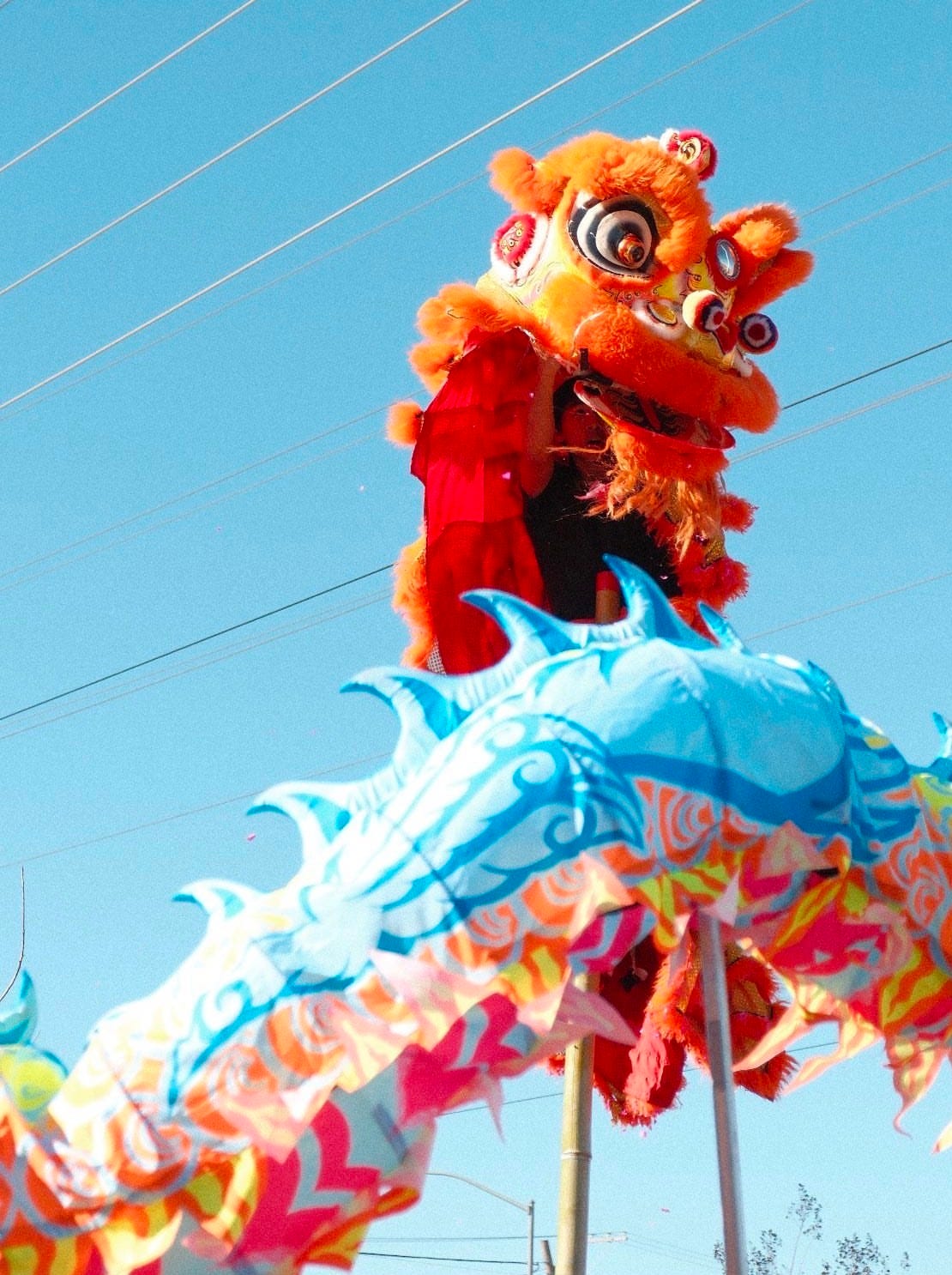
What eventually helped me reconnect with myself was lion dance. An ancient art form done to drive away bad spirits and bring in good fortune. I first learned how to lion dance from my Vietnamese Temple, but lion dance originates from China. In the same way hip-hop gave Eddie a sense of belonging, lion dance gave me a community where my cultures did not have to compete with each other. Performing in front of big crowds taught me to have confidence and pride in the traditions I once hid.
Conclusion
Reading Eddie Huang’s memoir made me realize I was never meant to make myself small for others to feel comfortable. It took me quite some time to discover who I was, but I know now.
I am whoever I decide to be. I will never let anyone take that away from me again.
Links
https://www.amazon.com/Fresh-Off-Boat-Eddie-Huang/dp/0812983351